Leon Foster · 7 September 2026
Decoding Resource Allocation Patterns During Platform Evolutions In Privacy Centric Environments
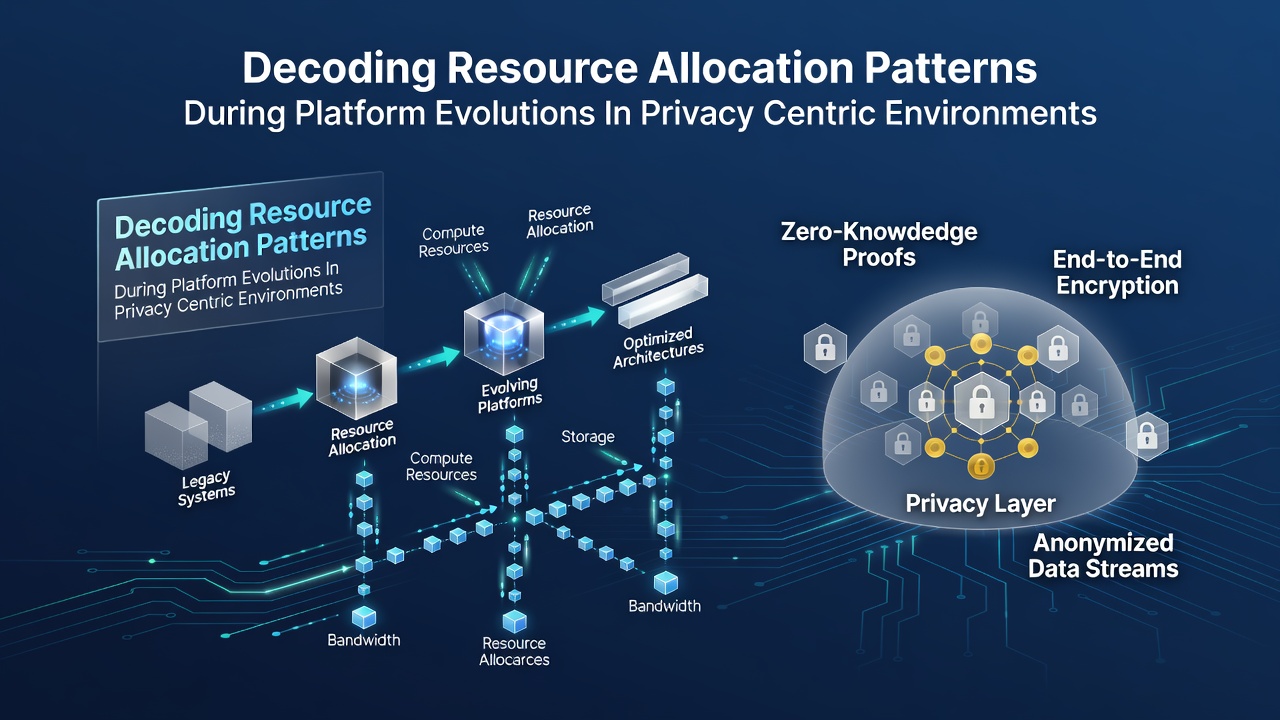
Platform operators have shifted substantial budgets toward privacy infrastructure since major regulatory frameworks took hold, and patterns emerge when analysts track how those funds move during each evolutionary cycle. Companies typically redirect engineering hours from tracking infrastructure to consent management systems while they retool data pipelines to limit third-party access. Research from multiple jurisdictions shows that the average enterprise now dedicates between 18 and 25 percent of its development budget to privacy tooling during active migration phases, according to aggregated industry figures.
Early Allocation Shifts in Response to Regulatory Milestones
Observers note that the first major reallocations often occur immediately after new rules receive final approval rather than after enforcement begins. Teams move headcount from advertising optimization projects to data minimization audits, and procurement departments accelerate contracts with specialized vendors who supply anonymization libraries. Data from platform audits reveals that organizations completing these early moves experience fewer remediation cycles once compliance deadlines arrive.
Budget Rebalancing Across Technical Layers
Allocations at the infrastructure layer grow fastest during the initial twelve months of any privacy-centric transition, while marketing technology spend contracts by comparable margins. Engineers repurpose existing server capacity to host on-device processing modules instead of expanding cloud footprints for centralized analytics. Figures released by regulatory bodies indicate that storage costs drop between 12 and 30 percent once platforms migrate user profiles to edge computing environments that keep raw data localized.
Talent and Vendor Reallocation Trends
Recruitment patterns follow similar logic. Organizations post more roles for privacy engineers and data governance specialists while they reduce openings in performance marketing analytics. One longitudinal study of 180 mid-sized platforms found that internal privacy teams expanded by an average of 47 percent within eighteen months of each major policy update. Meanwhile external agency retainers for cross-site tracking services decline sharply once first-party data strategies gain internal priority.
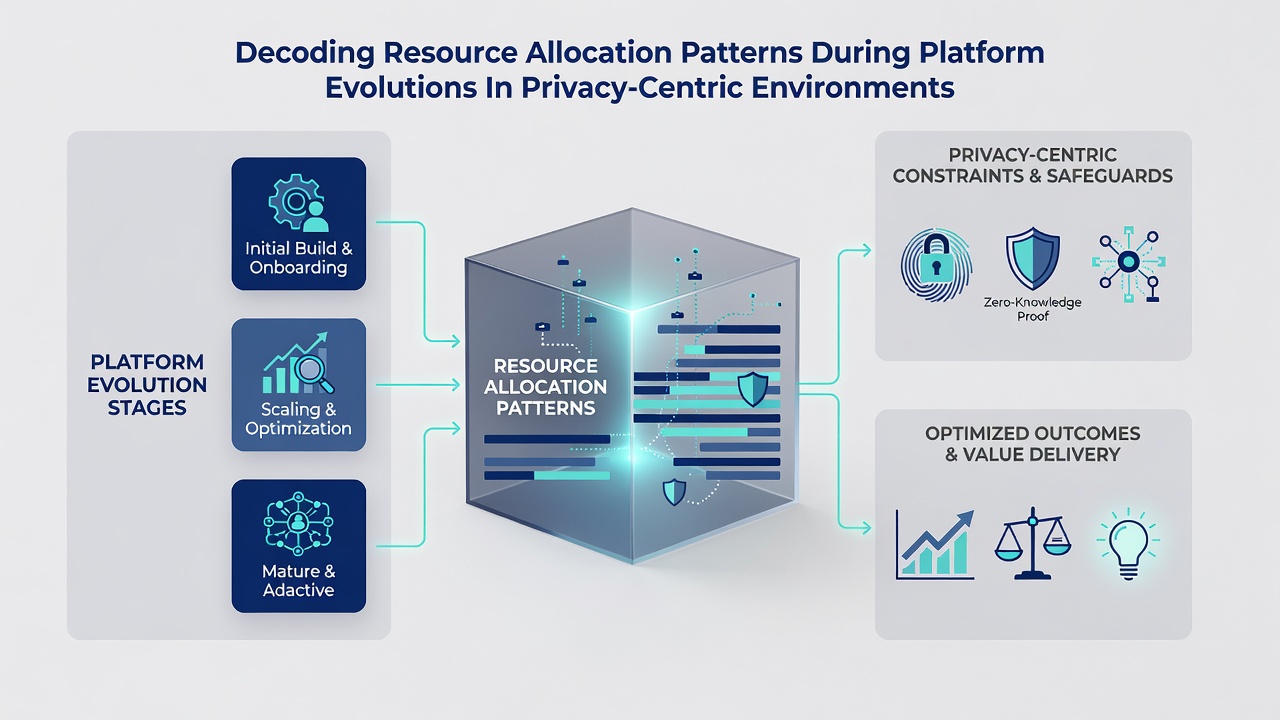
Procurement teams also pivot vendor relationships. Contracts for identity resolution platforms shrink while spending on consent orchestration and secure multi-party computation rises. Those who've tracked these movements across successive rollouts note that the transition rarely happens in a single quarter; instead it unfolds through staged budget transfers that align with each product's release cadence.
Regional Variations in Resource Prioritization
Allocation strategies differ by jurisdiction because regulatory timelines and enforcement priorities vary. Platforms operating under Canadian frameworks tend to front-load investment in data portability tooling, whereas those subject to Australian requirements emphasize breach notification infrastructure earlier. Reports compiled by the Office of the Privacy Commissioner of Canada and the Office of the Australian Information Commissioner illustrate how these regional emphases shape hiring and technology roadmaps differently even within the same parent organization.
September 2026 marks the scheduled implementation window for several cross-border data transfer standards currently under consultation, and preliminary budget filings already reflect incremental increases in legal and technical readiness spending. Companies that began mapping data flows in 2024 have already committed portions of their 2025 capital expenditure plans to the new architectures required for those standards.
Measurement Frameworks That Guide Ongoing Adjustments
Teams that sustain privacy-centric evolution rely on internal dashboards that track both compliance metrics and resource utilization in parallel. These dashboards surface correlations between privacy engineering hours and reductions in data subject access request response times. When metrics show diminishing returns on a particular allocation, project leads reassign staff to higher-impact areas such as cryptographic key management or differential privacy implementations.
Industry analyses further indicate that platforms maintaining flexible allocation models recover operational efficiency faster after each regulatory wave. The pattern repeats across successive updates: initial heavy investment followed by stabilization, then targeted refinement once core systems meet baseline requirements.
Conclusion
Resource allocation patterns during privacy-centric platform evolutions follow predictable sequences driven by regulatory calendars, internal metrics, and regional enforcement priorities. Organizations that map these sequences in advance position themselves to move budgets and personnel with greater precision while they continue to deliver product functionality under tightening data protection constraints.