Nils Roth · 5 October 2026
Shifts in Distribution Methods Triggered by Confidentiality Demands During Secure System Renewals
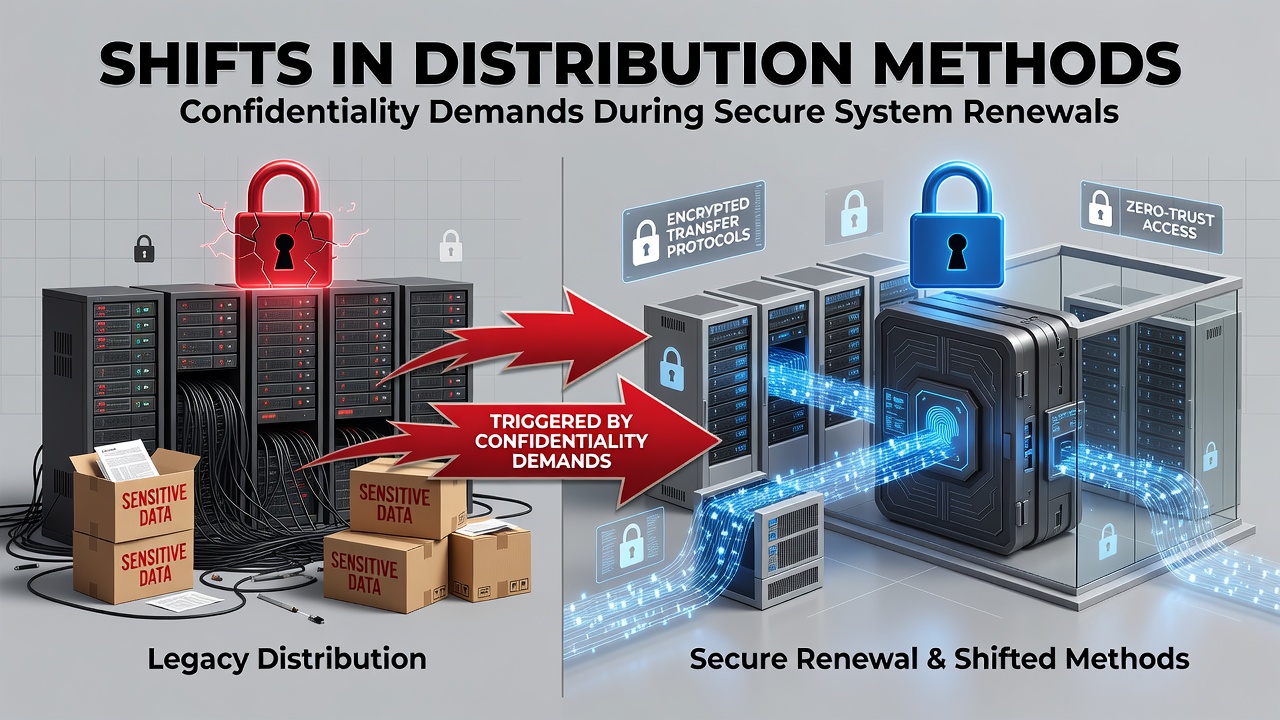
Secure system renewals have long relied on centralized distribution models that push updates through established servers and scheduled rollouts yet rising confidentiality demands have forced organizations to reconsider these approaches entirely. Data from cybersecurity assessments indicate that traditional methods often expose metadata during transmission while organizations handling sensitive infrastructure now prioritize techniques that obscure both content and endpoints throughout the renewal cycle.
Traditional Distribution Models and Emerging Pressures
Organizations previously distributed system components via direct server-to-client transfers or staged repositories that allowed verification through checksums and digital signatures and these setups worked efficiently for many years. Confidentiality requirements introduced by regulatory frameworks and internal policies have altered priorities though because any exposure of update patterns can reveal operational details about the underlying network. Researchers tracking enterprise renewals note that packet inspection and traffic analysis have become common concerns prompting shifts toward methods that fragment data flows and use ephemeral keys for each segment.
Studies conducted across multiple sectors show that renewal windows create predictable traffic spikes and adversaries have exploited those patterns to map system architectures. In response distribution now incorporates randomized timing intervals along with proxy layers that mask origin points while still ensuring every component reaches its destination intact. What's notable is that these adjustments often increase overall bandwidth usage yet they reduce the risk of targeted interception during the critical renewal phase.
Key Changes in Distribution Techniques
Decentralized delivery networks have gained traction because they allow pieces of a renewal package to travel through separate paths that only reassemble at the target system. This approach aligns with confidentiality goals by avoiding single points where full payloads might be captured and logged. According to findings from the National Institute of Standards and Technology many enterprises now integrate such fragmentation into their renewal procedures to comply with updated security baselines.
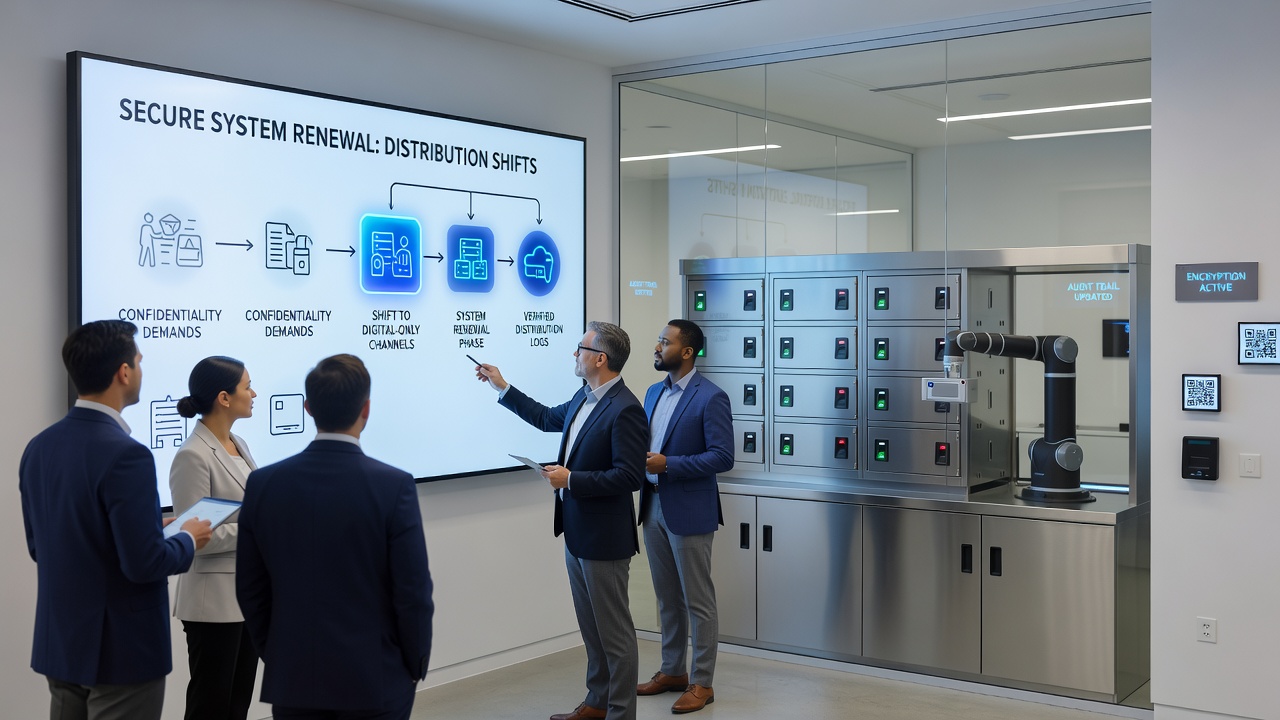
Encryption schemes have also evolved beyond standard transport layer security to include end-to-end protections that persist even after packets reach intermediate nodes. Observers note that key rotation happens more frequently during renewals and session tokens are invalidated immediately after each successful transfer. These practices emerged prominently in reports covering activities through October 2026 when several large-scale infrastructure projects completed simultaneous system upgrades under heightened scrutiny.
Another adjustment involves the use of containerized or virtualized delivery environments that isolate the renewal process from the host operating system until verification completes. Data indicates this reduces the window during which confidential configuration details remain accessible and it supports rollback mechanisms without exposing prior states. European Union Agency for Cybersecurity publications highlight similar patterns in critical infrastructure projects where distribution must satisfy both availability and secrecy criteria simultaneously.
Impacts on Timing and Resource Allocation
Renewal schedules have lengthened in many cases because each distribution segment now undergoes additional validation steps to confirm no leakage occurred during transit. Teams allocate extra monitoring resources to track metadata patterns that could still betray system details even when payloads stay encrypted. Research indicates that organizations adopting these layered methods complete renewals with fewer post-deployment incidents related to unauthorized access attempts.
Coordination across multiple vendors has grown more complex as well since each party must align on confidentiality protocols without sharing full operational maps. Some projects now employ zero-knowledge verification techniques that allow confirmation of successful distribution while revealing nothing about the content itself. Those who've managed such renewals report smoother transitions when pre-shared reference materials guide the process rather than real-time exchanges of sensitive parameters.
Conclusion
Confidentiality demands continue to reshape how secure system renewals handle distribution and the resulting methods emphasize fragmentation, persistent encryption, and decentralized paths that limit exposure at every stage. Figures from ongoing assessments reveal sustained adoption of these techniques across industries that manage critical assets and the patterns established through October 2026 suggest further refinements will focus on automation of key management and traffic obfuscation. Organizations that integrate these approaches maintain operational continuity while meeting stricter secrecy standards that govern modern infrastructure.